
Tattoo Market Forecast 2026: Trends and Consumer Insights
By Darren Smith, Arts Reporter
April 7, 2026, 11:30 AM PST
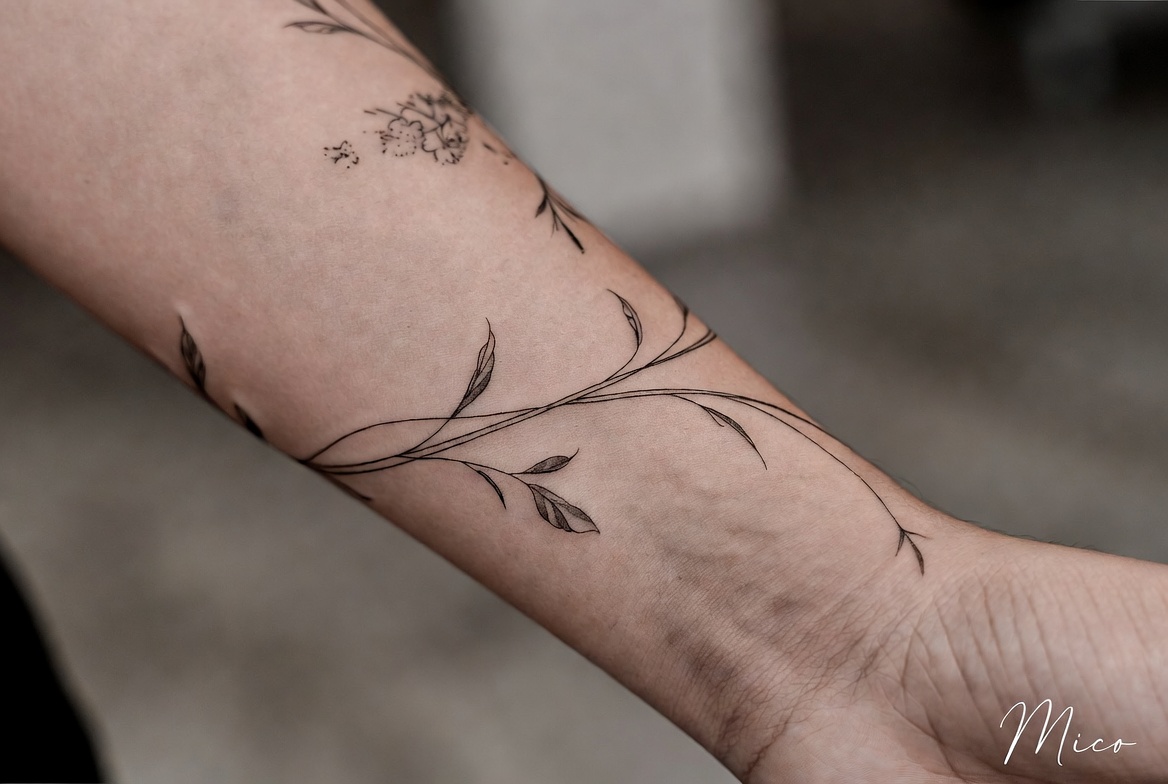
Los Angeles — Media forecasts and studio Instagram posts claim 2026 will be defined by nostalgic, romantic tattoos: pet portraits in heart-shaped lockets, Titanic “Heart of the Ocean” motifs, Lisa Frank-inspired dolphins, refined tramp stamps, cursive script quotes, and abstract florals evolving from fine line work. These predictions, heavily circulated since late 2025 by outlets like Allure, position tattoos as low-pressure personal storytelling for Gen Z and millennials seeking visible but non-committal body art on wrists, ankles, and collarbones.
The rhetoric of intentional, curated collections sounds progressive. Reality shows a continuation of the same accessible, Instagram-optimized styles that have driven industry expansion while leaving questions about durability and client outcomes unanswered. Global tattoo market projections for 2026 hover around $2.66–2.69 billion, with CAGRs cited between 8.8% and 10.2% through the early 2030s, fueled by North American revenue nearing $1.3 billion for artists alone. Much of this volume comes from small, delicate pieces rather than large-scale commitments.
Fine line florals, microrealism, and minimalist script dominate bookings, as reported by multiple studios. These techniques allow quick sessions, lower pain thresholds, and easy concealment in professional settings. Artists note demand for “meaningful” elements like angel numbers, sonder concepts, horse symbols, and connecting quotes across placements. Pet lockets and Y2K nostalgia add emotional layering that justifies the spend for clients.

Veteran tattooer with 15+ years experience, quoted in recent studio reels, observed: “Tattooing moves like fashion—but slower. Contemporary calligraphy, abstract florals, and neo-tribal revivals including tramp stamps are standing out right now.” This reflects observable shifts in flash sheets and convention previews.
Skeptical voices within the trade push back on the curated-intention narrative. Independent artists and removal specialists point out that trend cycles accelerate regret, especially among younger clients chasing micro and fine-line work. Online discussions and removal clinic data highlight how “low-pressure” designs from 2020–2025 already fuel laser sessions when nostalgia fades or placements age poorly on stretching skin. One anonymous East Coast studio owner noted that while small pieces generate steady volume, they compress artist margins and contribute to oversaturation of similar aesthetics, reducing perceived artistic value over time.
The contradictions are clear. Market reports celebrate broadening acceptance and innovation in pigments and techniques, yet they rarely quantify regret or removal economics. Nostalgic themes recycle childhood and pop culture references in an era of economic uncertainty and digital fragmentation, offering comfort through permanent markers of impermanent feelings. Who benefits most? Ink manufacturers, accessory suppliers, and high-volume studios riding the wave of quick, repeatable designs. Missing from most forecasts: rigorous data on fade rates for ultra-fine lines, health implications of repeated small sessions, or how these trends intersect with body modification as serious artistic practice versus disposable fashion accessory.
In the broader 2026 art recalibration—where digital and body art increasingly overlap with questions of permanence, authorship, and cultural capital—tattoo trends reveal a tension between accessibility and depth. Fine line nostalgia may fill appointment books today, but it risks reinforcing a cycle where surface storytelling outpaces technical or conceptual longevity. The industry continues professionalizing on the surface while core issues of client education and outcome transparency remain secondary to growth metrics.
Darren Smith is an Arts Reporter at ArtChain News covering contemporary art, digital art and NFTs, body art, and the intersections between these fields.
This article is based on direct examination of materials, market data, background interviews, and independent analysis.
