Turner Prize 2026 Shortlist Announced: Sculpture and Performance Take Centre Stage
By Darren Smith, Arts Reporter – April 24, 2026
Tate Britain has unveiled the four artists shortlisted for the Turner Prize 2026, Britain’s most prestigious contemporary art award. The nominees — Simeon Barclay, Kira Freije, Marguerite Humeau, and Tanoa Sasraku — represent a strong emphasis on sculptural practice, alongside performance and installation. The jury praised their work for offering “distinct perspectives through which to explore the world around us, and to reflect on our place within it,” according to jury chair Alex Farquharson, director of Tate Britain.
The shortlist, announced on April 23, 2026, highlights a rich and diverse range of practices spanning installation, performance, and material intelligence. Themes include power, identity, ecology, memory, and belief. Each shortlisted artist will receive £10,000, with the winner awarded an additional £25,000 at a ceremony on 10 December 2026 at the Middlesbrough Institute of Modern Art (MIMA) in Teesside.

Dr Laura Sillars, director of MIMA and dean of culture and creativity at Teesside University, welcomed the announcement: “This shortlist promises an extraordinary Turner Prize exhibition at Teesside University’s cultural heart, MIMA.” The move north underscores the prize’s commitment to accessibility beyond London.
A Jury of Leading Voices
The 2026 jury, chaired by Farquharson, includes Sarah Allen (head of programme, South London Gallery), Joe Hill (director, Yorkshire Sculpture Park), Sook-Kyung Lee (director, The Whitworth), and Alona Pardo (director, Arts Council Collection). Their selection focused on outstanding exhibitions or presentations from the past year, highlighting the artists’ ability to link sculptural language to broader systems of power, ecology, and belief.
Simeon Barclay: The Ruin of British Identity
Simeon Barclay, a Huddersfield-born, Leeds-based artist known for his multidisciplinary practice, is nominated for The Ruin, an hour-long spoken-word performance with live percussion. Commissioned by the Roberts Institute of Art, the piece has been presented at the Institute of Contemporary Arts (ICA) in London, The Hepworth Wakefield, and New Art Exchange in Nottingham.
The work draws on Barclay’s industrial upbringing in Huddersfield to interrogate Britishness, class, race, and masculine identity through evocative language and an immersive soundscape. The jury highlighted its psychological depth and experimental approach to performance.

Barclay’s broader practice often incorporates unexpected materials, but The Ruin marks a powerful shift toward live, durational storytelling that feels both personal and politically charged.
Kira Freije: Haunting Figurative Sculptures
Kira Freije earns her place on the shortlist for Unspeak the Chorus, her first major solo exhibition at The Hepworth Wakefield (on view through 4 May 2026). The show features theatrical arrangements of life-size figures constructed from metal, fabric, found materials, and industrial elements, creating unsettling yet beautiful hybrid beings.
The jury was struck by the “emotional depth” and “haunting, expressive” quality of Freije’s work, which transforms gallery space into carefully staged scenarios. Her figures, often evoking friends and family, blur boundaries between the human and the constructed, inviting reflection on vulnerability and collective experience.

Freije’s practice stands out for its material innovation and spatial choreography, turning industrial detritus into poetic forms.
Tanoa Sasraku: Oil, Power, and Corporate Irony
Tanoa Sasraku, the youngest nominee, is recognised for Morale Patch at the ICA London. The multi-media exhibition — encompassing sculptures, works on paper, and film — examines the political and military histories of oil through a clinical, minimalist aesthetic borrowed from corporate design.
Sasraku sourced oil company paperweights and souvenirs via eBay, arranging them in grids that speak to alliances, clashes between nations, and the commodification of energy resources. The jury praised the sophistication and irony of her installation.

Born in Plymouth and now based in Glasgow, Sasraku’s rising profile reflects a generation of artists engaging critically with environmental and economic systems through conceptual sculpture.
Marguerite Humeau: Speculative Ecologies and Mythical Forms
Marguerite Humeau is nominated for Torches, presented at ARKEN Museum of Contemporary Art in Copenhagen and HAM Helsinki Art Museum. Her cinematic installations feature otherworldly, prehistoric-inspired sculptures that explore ecological themes, existential questions, and speculative histories.
The jury commended Humeau’s inventive forms, dynamic shifts in scale, and ability to craft immersive scenarios that blend science, mythology, and belief systems. Works often incorporate organic and industrial materials to evoke dying ecosystems or alternate futures.
Humeau’s practice has previously included large-scale works on topics such as extinct species, positioning her as a key voice in contemporary sculpture addressing climate and existential concerns.
This year’s shortlist has drawn attention for its sculptural focus at a time when painting has sometimes dominated recent prizes. Critics have noted the absence of traditional painters and the emphasis on material transformation. Some early commentary has described the selection as “insular,” though supporters praise its depth and regional relevance.
The Turner Prize, established in 1984, has a storied history of launching careers while sparking public debate about contemporary art. By staging the exhibition at MIMA, the prize continues its evolution toward greater geographic inclusivity, bringing international attention to the North East while allowing local audiences direct engagement with cutting-edge practice.
What to Expect
Visitors to the Turner Prize 2026 exhibition at MIMA can anticipate a compelling dialogue between performance documentation, large-scale sculpture, and installation. The show promises to challenge perceptions of material, power, and place in 21st-century Britain.
For more information on the artists and exhibition details, visit the official Tate Turner Prize page or MIMA’s dedicated exhibition page. Tickets and updates will be available via Teesside University and MIMA closer to the opening.
Stay engaged with the conversation: Follow developments on the Turner Prize 2026, share your thoughts on the shortlist in the comments below, and plan your visit to MIMA this September. Contemporary art thrives on public discourse — your perspective matters in shaping its future.
Darren Smith is an arts journalist, practicing artist, and tattooist with 26+ years of experience across traditional, digital, and body art practices. He covers the intersections of craft, culture, and collecting for ArtChain News.
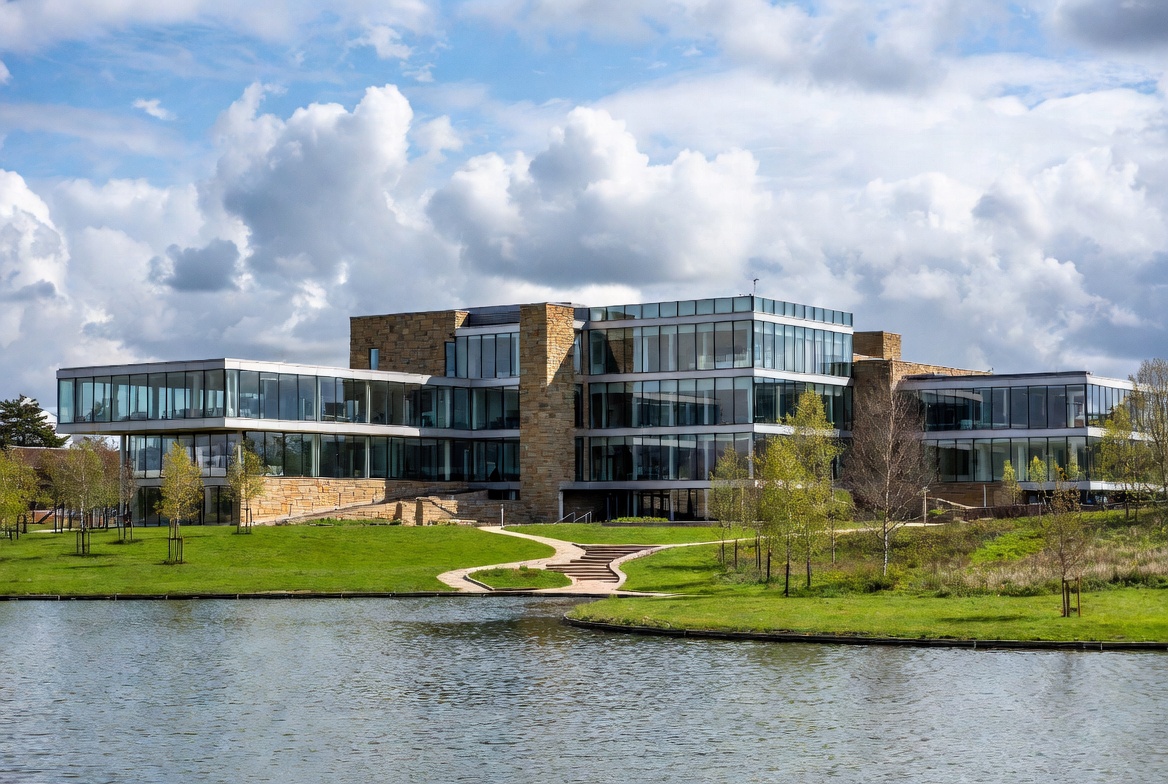
The featured cover image was generated using AI (Grok Imagine) based on a detailed descriptive prompt and has been reviewed for editorial suitability. All factual content, artist details, dates, and quotes in this article are sourced from official announcements by Tate Britain and MIMA.

